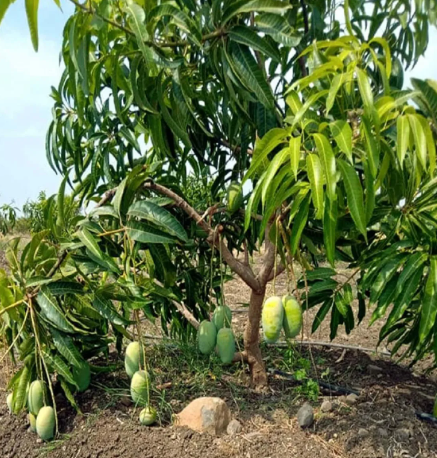
Top Tips for Growing a Healthy Grafted Langra Mango Tree in Sydney Climate
Find out how to grow a Grafted Langra Mango Plant in Sydney successfully. This guide covers planting, care, and fruiting tips for gardeners looking to grow mango trees in Sydney.
The Grafted Langra Mango Plant in Sydney is a classic Indian mango variety renowned for its sweet, aromatic, and fibreless fruit. Growing this premium mango at home can be incredibly rewarding, providing you with delicious mangoes straight from your garden. With Sydney’s warm climate, this variety can thrive with proper care, offering both beauty and bountiful fruit production for your backyard.
Whether you are a first-time mango grower or an experienced gardener, understanding the specific requirements of the Grafted Langra Mango Plant in Sydney will ensure a healthy, productive tree for years to come.
Understanding the Langra Mango Variety
Langra mango is a traditional Indian mango variety known for its distinctive greenish skin, smooth texture, and rich, sweet flavour. Unlike many other mangoes, Langra remains green even when fully ripe, making it easily recognizable. Its fibreless, juicy flesh is ideal for fresh consumption, smoothies, desserts, and traditional recipes.
The Grafted Langra Mango Plant in Sydney is propagated through grafting, which ensures true-to-type fruit, faster fruiting, and a more reliable harvest compared to seed-grown trees. Grafted trees also have a stronger growth habit and are more resilient to common diseases.
Choosing the Right Location in Sydney
Mango trees flourish in areas that receive full sun, and the Grafted Langra Mango Plant in Sydney is no exception. Select a location in your garden that receives at least 6–8 hours of direct sunlight daily.
Sydney’s warm summers provide the perfect environment for tropical mango trees. For optimal growth, choose a spot that is sheltered from strong winds, which can damage young branches and affect flowering. Proper placement not only encourages growth but also supports better fruit production.
Planting Your Grafted Langra Mango Tree
Planting your Grafted Langra Mango Plant in Sydney correctly is essential for long-term health. Start by digging a hole slightly larger than the tree’s root ball. Carefully position the tree in the hole, ensuring the graft union is above the soil line.
Backfill with soil and gently firm it around the roots. Water thoroughly to help the tree establish itself. For gardeners with limited space, the Langra mango can also be grown in large pots, allowing flexibility in positioning and easier management.
Plan your visit to your local nursery to select a healthy grafted Langra mango plant and get expert advice on planting.
Watering and Fertilising
Young mango trees require regular watering to establish roots, especially during Sydney’s warmer months. Ensure the soil is moist but not waterlogged. Once the tree matures, reduce watering frequency, allowing the soil to dry slightly between watering sessions.
Fertilising is key to encouraging strong growth and fruiting. Use a balanced, slow-release fertiliser formulated for fruit trees. Supplementing with organic matter like compost or well-rotted manure can improve soil fertility and overall plant health.
Pruning and Shaping Your Tree
Pruning helps maintain a manageable tree size and promotes healthy growth. For the Grafted Langra Mango Plant in Sydney, prune lightly during the early years to establish a strong structure. Remove overcrowded or weak branches to improve airflow and reduce the risk of disease.
Regular pruning also encourages new flowering and can improve fruit quality over time. Focus on shaping the tree while maintaining its natural canopy to support sunlight exposure to all branches.
Pest and Disease Management
Mango trees can occasionally attract pests such as aphids, mealybugs, and scale insects. Regularly inspect the leaves and stems of your Grafted Langra Mango Plant in Sydney for signs of infestation.
Natural remedies like neem oil or insecticidal soap can be effective in controlling pests. Ensuring proper airflow and avoiding overcrowding reduces the likelihood of fungal infections. Healthy cultural practices and early intervention are key to maintaining a vigorous tree.
Flowering and Fruiting
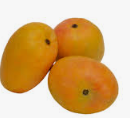
One of the benefits of grafted mango trees is early fruit production. Your Grafted Langra Mango Plant in Sydney may start flowering within 2–3 years after planting. Flowers develop into fruit over the growing season, usually producing medium to large mangoes with the variety’s characteristic sweet and aromatic flavour.
Patience is important, as young trees focus on establishing their root systems before heavy fruiting. With consistent care, your tree will eventually provide a reliable harvest each year.
Harvesting Tips
Langra mangoes are usually harvested when they reach full size and develop a slightly soft texture near the stem. Even though the skin remains green, the flesh inside will be ripe and juicy. Carefully pick the fruit to avoid damaging the branches or other developing fruits.
Storing mangoes at room temperature allows them to ripen fully, enhancing their flavour. The fibreless and aromatic flesh of the Langra mango makes it perfect for immediate consumption or culinary use.
Benefits of Growing Your Own Mango Tree in Sydney
Growing a Grafted Langra Mango Plant in Sydney in your backyard offers many advantages:
- Fresh, organic fruit right at home.
- Control over growing conditions and plant health.
- Unique and traditional Indian mango variety in your garden.
- Educational and rewarding gardening experience.
- Adds tropical beauty to your landscape.
Final Thoughts
The Grafted Langra Mango Plant in Sydney is ideal for gardeners looking for a reliable, aromatic, and delicious mango variety. By selecting a sunny location, following proper watering and fertilising practices, pruning carefully, and monitoring for pests, you can ensure a healthy and productive tree.
For those eager to grow this classic mango at home, plan your visit to a local nursery to select the healthiest grafted Langra mango plant and start your tropical backyard journey today.