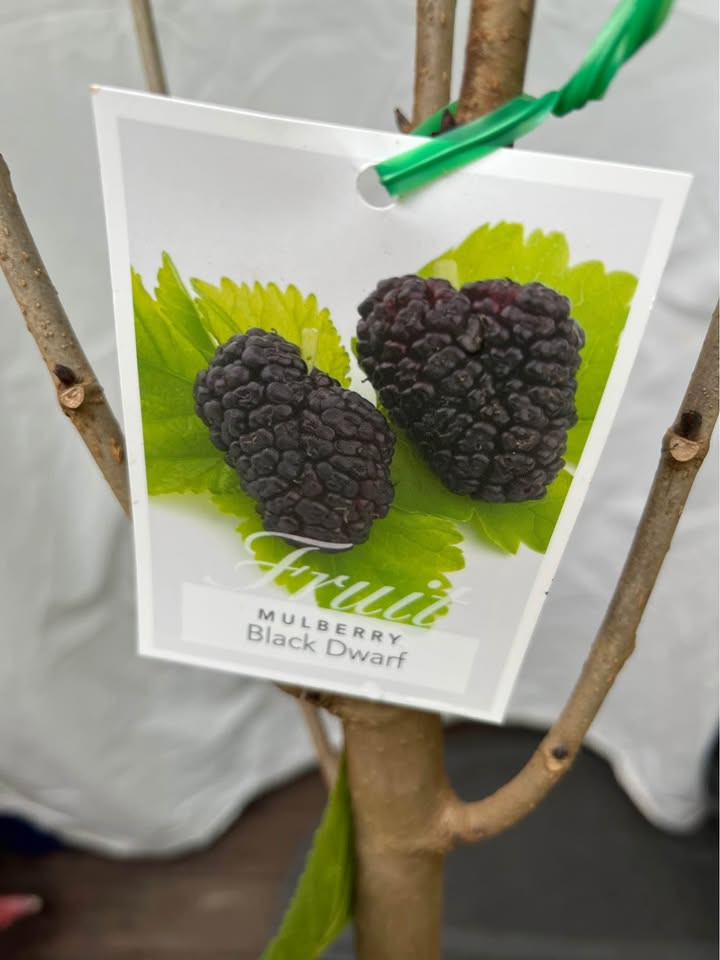
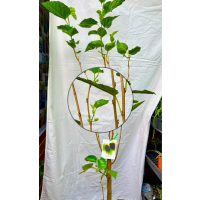


Mulberry (Morus nigra) – Black Shahtoot Fruit Plant
Sweet, Juicy Mulberries
Category : Fruitful Delights Collection
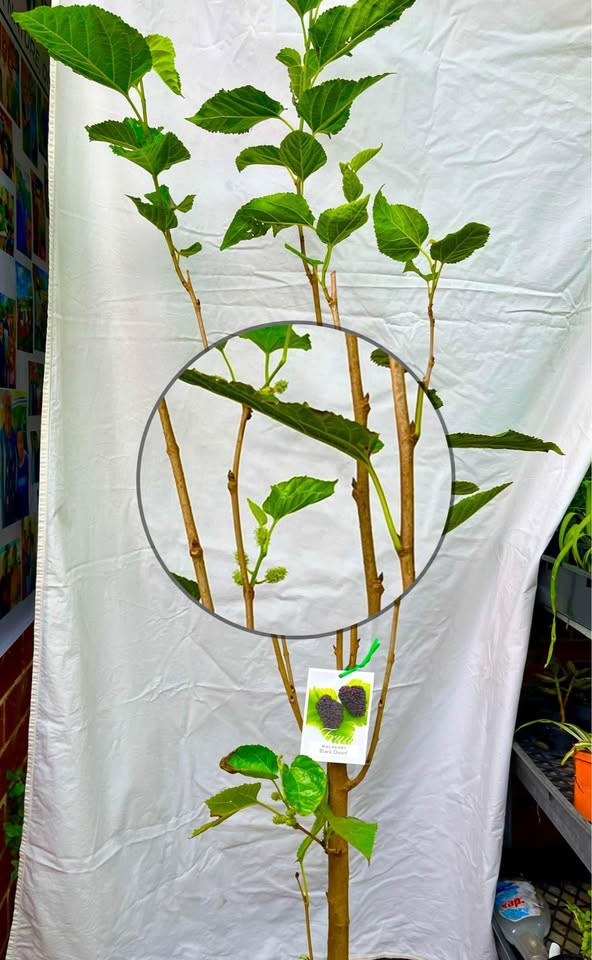
The Black Shahtoot Mulberry (Morus nigra) is a popular mulberry plant valued for its rich flavour, nutritious berries, and easy-care nature. Gardeners searching for a Black Mulberry Tree, Morus nigra, Mulberry Tree for Sale, or looking to buy Mulberry Tree varieties will appreciate its vigorous growth and dependable fruit production. Ideal for backyard orchards, family gardens, and edible landscapes, this hardy fruit tree produces generous crops of sweet-tart berries every season. It also creates natural internal linking opportunities to related fruiting plants such as Jaboticaba Trees, Feijoa Trees, Guava Trees, Custard Apple Trees, Longan Trees, Lychee Trees, Sapodilla Trees, and Star Fruit Trees, helping build a diverse and productive fruit garden.
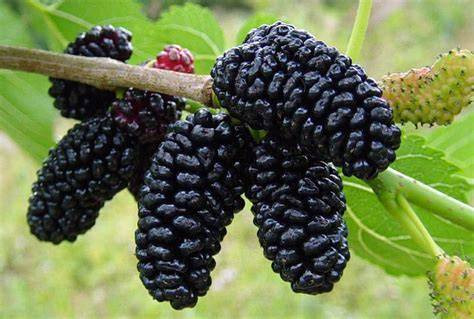
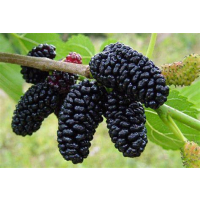
The Mulberry (Morus nigra), commonly known as Black Shahtoot, is a delicious and nutrient-rich fruit plant that is perfect for home gardens. Known for its deep purple-black berries, sweet-tart flavor, and high health benefits, this hardy plant is easy to grow and highly productive. Whether you have a backyard, terrace, or large pots, mulberry is a great addition to your edible garden.
What is Mulberry (Black Shahtoot)?
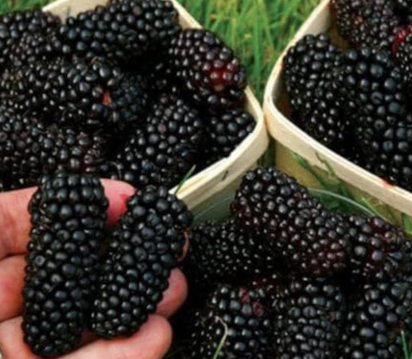
Mulberry (Morus nigra) is a deciduous fruit tree that produces juicy, elongated berries with a rich, sweet flavor. It has been grown for centuries for its fruit, shade, and medicinal uses.
Key Features:
- Produces dark purple to black berries
- Sweet and slightly tangy taste
- Fast-growing and productive tree
- Suitable for gardens and large containers
- Attractive foliage and spreading canopy
Why Grow Mulberry (Black Shahtoot) at Home?
1. Delicious and Nutritious Fruit
Mulberries are packed with flavor and can be enjoyed in many ways:
- Fresh eating
- Juices and smoothies
- Jams and desserts
2. Rich in Health Benefits
Mulberries are highly nutritious:
- High in antioxidants
- Good source of vitamin C and iron
- Supports overall health
3. Easy to Grow and Maintain
Mulberry trees are very hardy and adaptable.
- Tolerates different soil types
- Requires moderate watering
- Low maintenance once established
4. Fast Growth and High Yield
Mulberry trees grow quickly and produce abundant fruit every season.
5. Provides Shade and Beauty
With its wide canopy and green leaves, the tree also works as a shade tree and enhances garden appearance.
6. Suitable for Urban Gardening
Mulberry plants can be grown in:
- Large pots
- Small gardens
- Backyards
Growing Conditions for Mulberry (Morus nigra)
Sunlight
- Requires full sun (6–8 hours daily)
- Essential for fruit production
Soil
- Well-draining soil
- Adapts to sandy, loamy, or clay soil
- Slightly acidic to neutral pH
Watering
- Moderate watering
- Keep soil moist when young
- Drought-tolerant once established
How to Grow Mulberry Plant
Planting Steps:
- Choose a sunny location
- Prepare soil with compost
- Dig a hole twice the root ball size
- Plant and fill with soil
- Water thoroughly
- Apply mulch
Growing Mulberry in Pots
Mulberry can be grown in containers with proper care.
Container tips:
- Use a large pot (at least 50–70 cm wide)
- Ensure good drainage
- Use nutrient-rich potting mix
- Prune regularly to control size
Fertilizing Mulberry Trees
- Use balanced fertilizer during the growing season
- Add compost annually
- Avoid over-fertilizing
Pruning and Maintenance
- Prune to maintain size and shape
- Remove dead or weak branches
- Encourage better fruit production
Flowering and Fruiting
- Flowers appear in spring
- Fruits develop quickly after flowering
- Harvest season is usually late spring to early summer
Harvesting Mulberries
Mulberries are ready when:
- They turn deep black
- Become soft and juicy
Harvest gently as fruits are delicate.
Common Problems and Solutions
Overwatering:
Ensure proper drainage
Bird Damage:
Protect fruits with netting
Pests:
Occasional insects—use organic control
Benefits of Growing Mulberry
- Fresh, healthy fruit
- Easy to grow
- Fast-growing tree
- Provides shade
- Suitable for home gardens
Best Uses
- Fresh consumption
- Juices and smoothies
- Jams and desserts
- Backyard orchards
Tips for Best Results
- Plant in full sun
- Water moderately
- Prune regularly
- Use mulch to retain moisture
- Protect fruits from birds
Final Thoughts
The Mulberry (Morus nigra) – Black Shahtoot Fruit Plant is a perfect choice for anyone looking to grow a productive, low-maintenance fruit tree at home. With its sweet berries, fast growth, and adaptability, it offers both nutrition and beauty.
Add this classic fruit plant to your garden and enjoy fresh, juicy mulberries straight from your own tree every season!